
Northside Hub: Designing for Climate, Health, and Community Impact
Date: Friday, November 6th
Time: 9:00 AM - 11:30 AM
Venue:
Cost:
CEU: 2 AIA HSW
Schedule:
9:00 am Presentation with Justin Brown, AIA, Principal MASS Design Group followed by Q & A
10:00 am Tour
11:00 am Light Lunch to be enjoyed at Scenic Hudson
Event Description
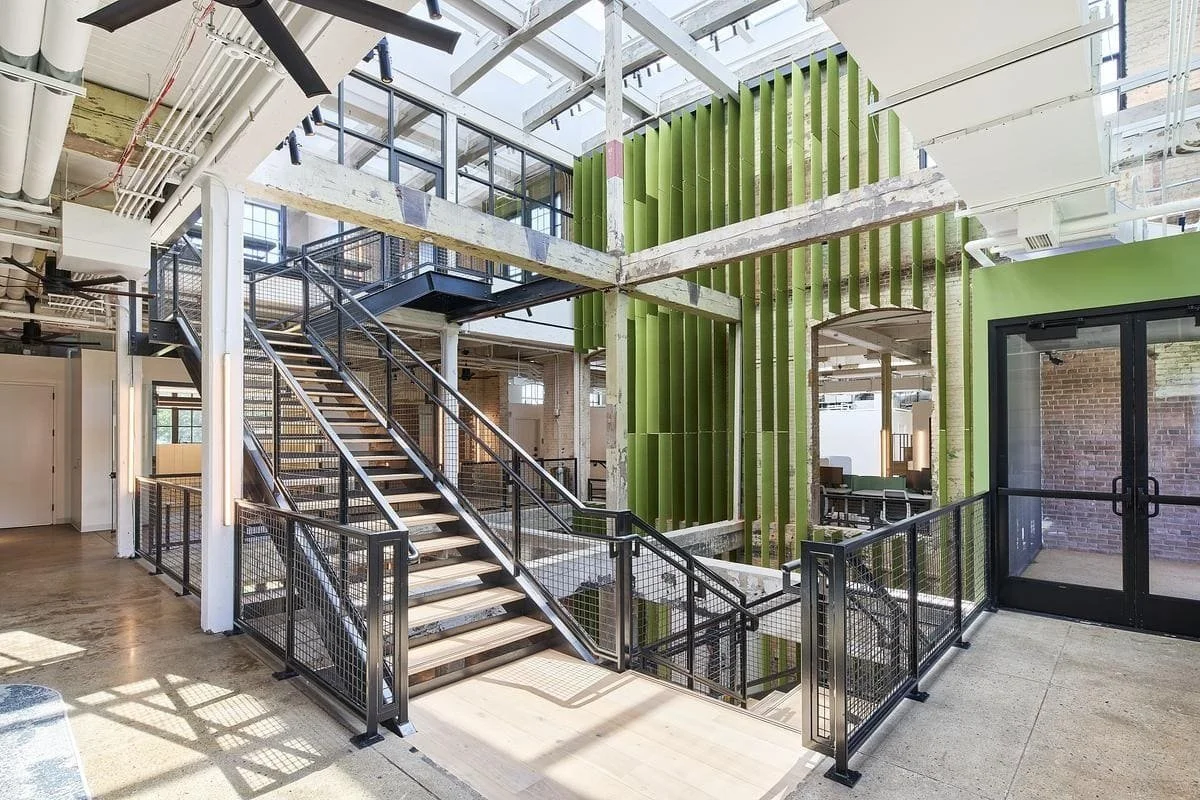
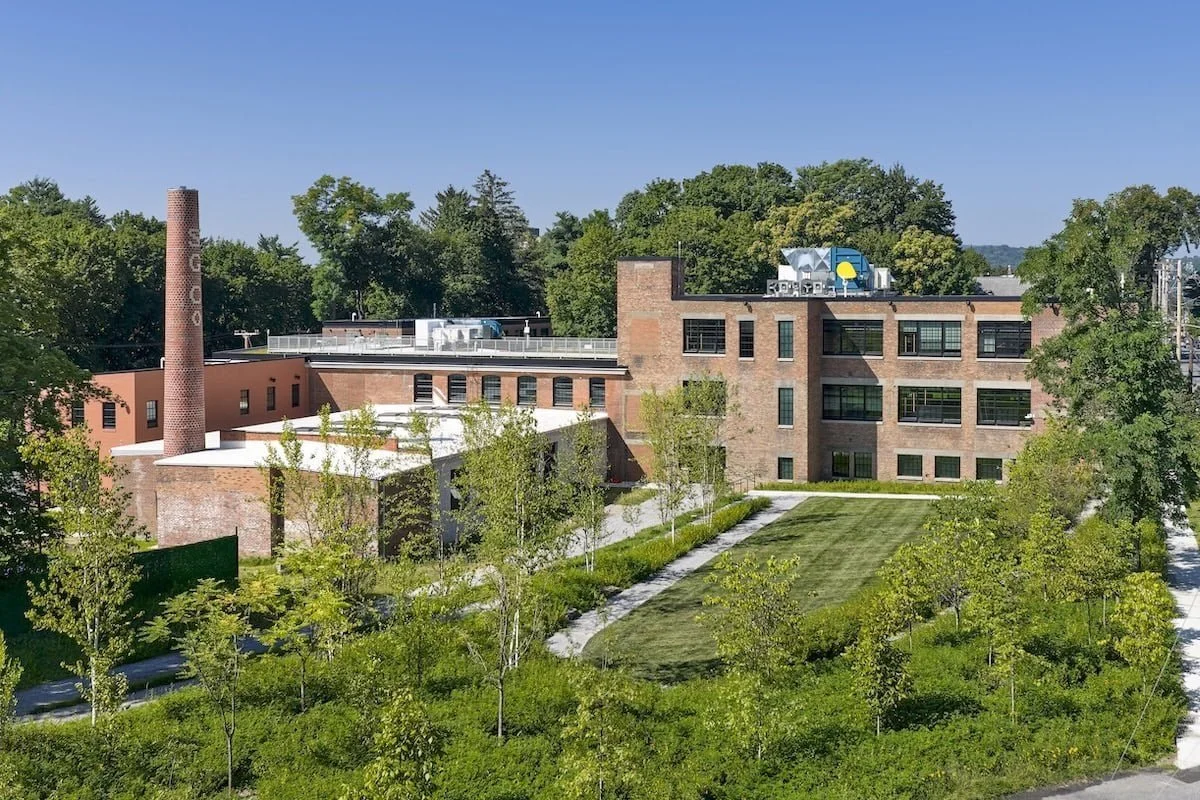
The Northside Hub transforms a historic industrial building in Poughkeepsie, New York, into a community and environmental hub for Scenic Hudson. Through a presentation and guided building tour, MASS Design Group will use the project as a case study for how adaptive reuse can simultaneously address carbon reduction, occupant health and well-being, ecological performance, and community wealth building.
The presentation will introduce an integrated framework for evaluating building performance through four interconnected areas: embodied carbon, operational carbon, ecological benefit, and community benefit. Participants will examine how preservation of the building’s existing heavy timber, masonry, and concrete structure reduced embodied impacts, while new envelope interventions balance historic preservation with contemporary energy performance.
The program will examine the building’s all-electric systems, on-site photovoltaics, natural ventilation, enhanced fresh-air delivery, operable windows, daylighting, and occupant-controlled strategies for thermal comfort. Participants will explore how passive and active systems work together to reduce operational energy while improving indoor air quality and occupant well-being. At the site scale, the program will address brownfield conditions, stormwater management, flooding, native landscapes, and ecological restoration.
The presentation and tour will also consider the building at the scale of the neighborhood. Participants will examine how the adaptive reuse of an underutilized industrial site, creation of publicly accessible community spaces, and reconnection to surrounding neighborhoods can contribute to community wealth building and catalyze subsequent investment in ecological infrastructure, housing, parks, recreation, and other neighborhood amenities. The Northside Hub will be considered not as an isolated building, but as one component of a broader strategy for improving environmental and social conditions in Poughkeepsie.
During the guided tour, participants will see these strategies in operation and connect quantitative performance goals with architectural experience, occupant health, adaptability, and public use. The program will demonstrate how environmental performance, human experience, and community benefit can be considered together as measures of architectural impact.
Learning Objectives:
After attending this program, participants will be able to:
1. Embodied Carbon + Adaptive Reuse
Analyze how adaptive reuse, selective envelope improvements, structural retention, and material choices can reduce embodied carbon while balancing historic preservation with contemporary requirements for building performance, occupant health, and safety.
2. Operational Carbon + Occupant Health
Explain how passive and active building systems—including operable windows, trickle vents, negative pressurization, perimeter heating and cooling, a central atrium, and supplemental mechanical systems—work together to increase fresh-air delivery, improve indoor environmental quality, and reduce operational energy use.
3. Ecological Benefit + Resilience
Identify site-design strategies that address public health, environmental resilience, and ecological performance, including brownfield remediation, stormwater retention and diversion, native planting, infiltration, and measures that protect building occupants from existing site contaminants.
4. Community Benefit + Community Wealth Building
Analyze how adaptive reuse and community-centered design can contribute to community wealth building by reconnecting an underutilized industrial site to surrounding neighborhoods, creating accessible public and community spaces, supporting local economic activity, and catalyzing subsequent investment in housing, parks, ecological infrastructure, and neighborhood amenities.